Peignée Verticale - Grand Chambéry Alpes Tourisme
Peignée Verticale - Grand Chambéry Alpes Tourisme
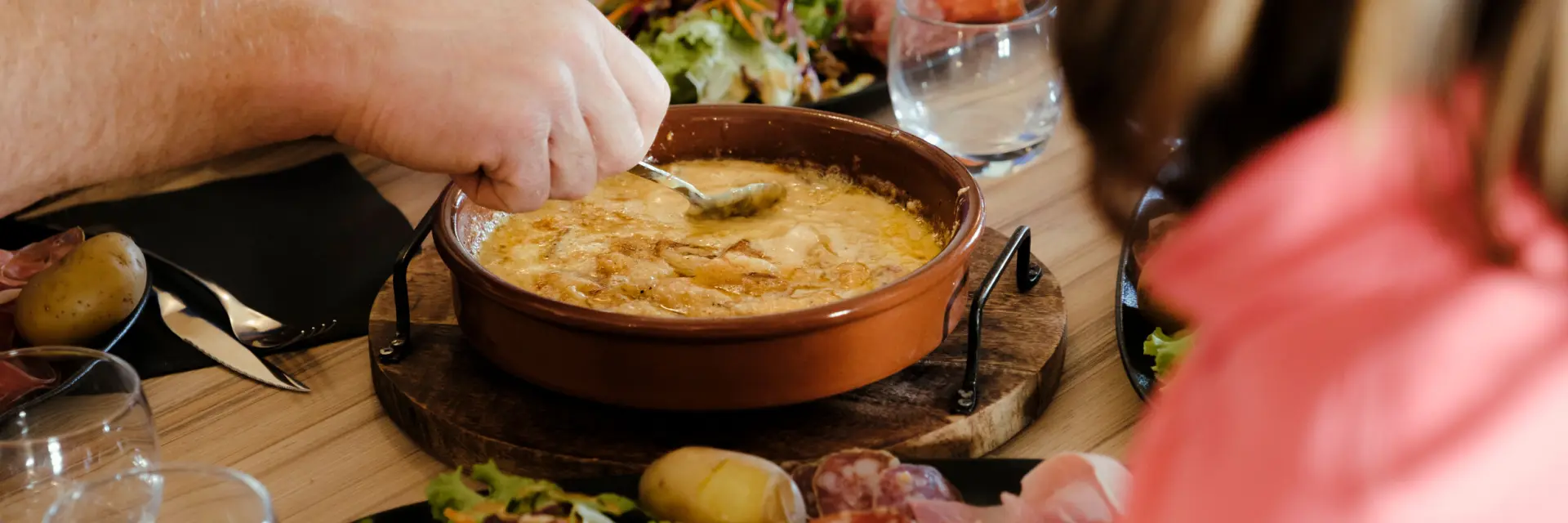
Behind its apparent simplicity lies a true living heritage: the expertise of the cheesemakers who craft the Tome, that of the potters who create the earthenware dishes, andthe dedication of the restaurateurs who keep this culinary tradition alive. To savour the Matouille is to enjoy not just a recipe, but a landscape, a history and a way of life deeply rooted in the Bauges.
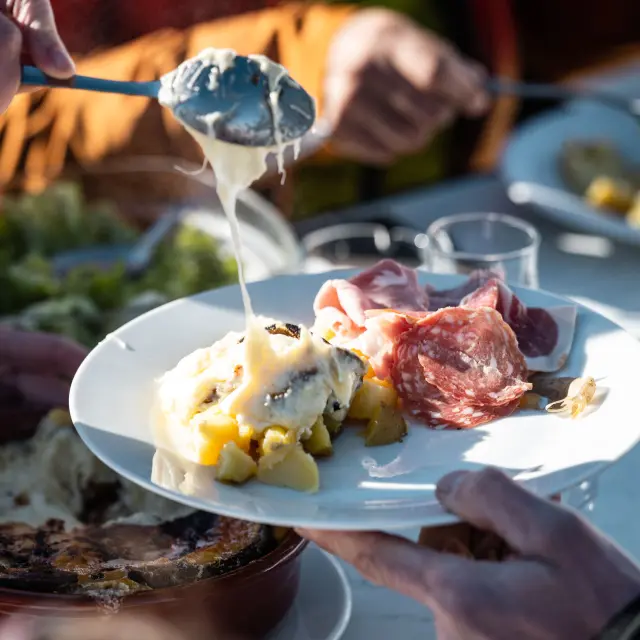
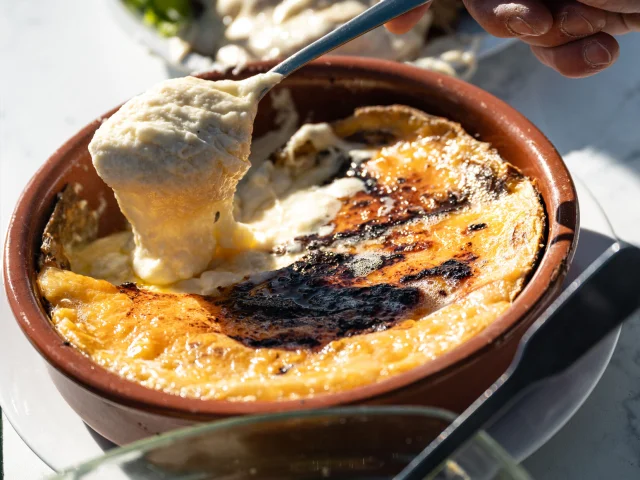
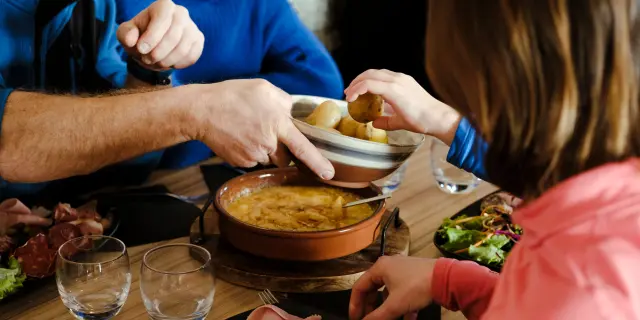
Just a few ingredients are all it takes to create this cosy moment. The Tome des Bauges melts slowly, infused with the aroma of garlic and white wine, revealing a generously creamy centre. Bread or potatoes are dipped straight into the melted cheese for a simple, convivial and intensely indulgent treat.
1 whole Tome des Bauges
2 to 4 cloves of garlic, finely chopped
10 cl dry white wine from Savoie
Potatoes or bread to serve alongside
Cut away the top of the Tome, leaving the edges intact, to form a small nest.
Make a few incisions and slip the chopped garlic into them to flavour the dough.
Place the Tome in a terracotta dish, ideally a round one.
Pour over some dry white wine.
Bake for 30 minutes at 180 °C, until the texture is soft and the top is lightly golden.
Serve immediately with hot potatoes or bread, to dip straight into the cheese.
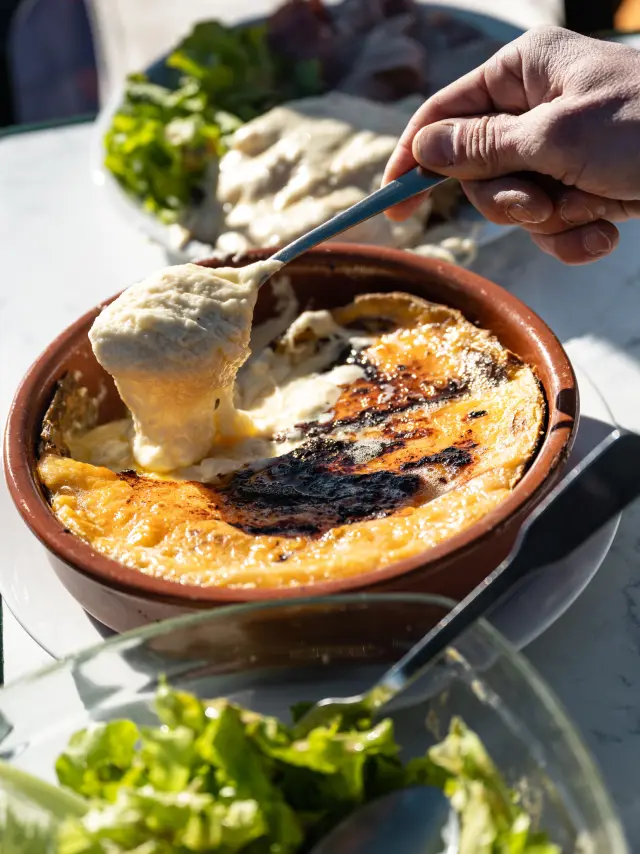
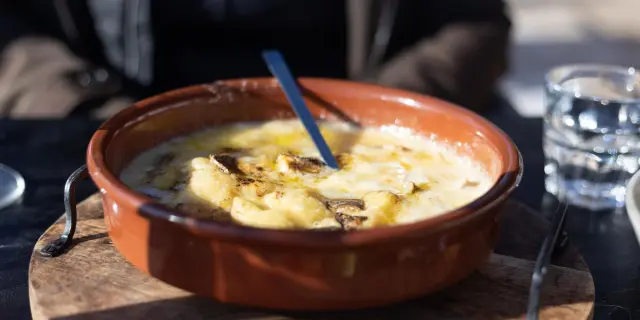
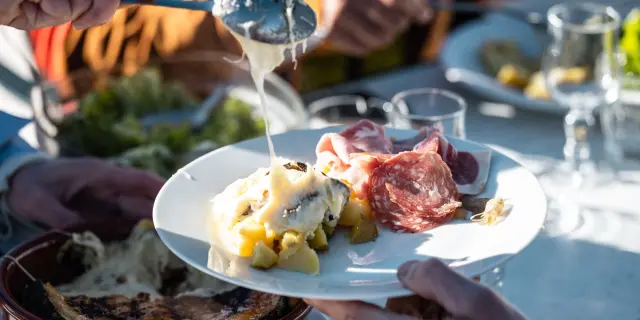
Tome des Bauges AOPfully embodies its mountain range. Made from raw whole milk, this uncooked pressed cheese has a melt-in-the-mouth texture that is ideal for cooking, giving the Matouille its creamy, fragrant centre.
Its spelling with a single ‘m’ affirms its identity. Derived from the dialect word ‘toma’, it refers to cheeses made in the mountain pastures and distinguishes the Tome des Bauges from other Savoyard tommes.
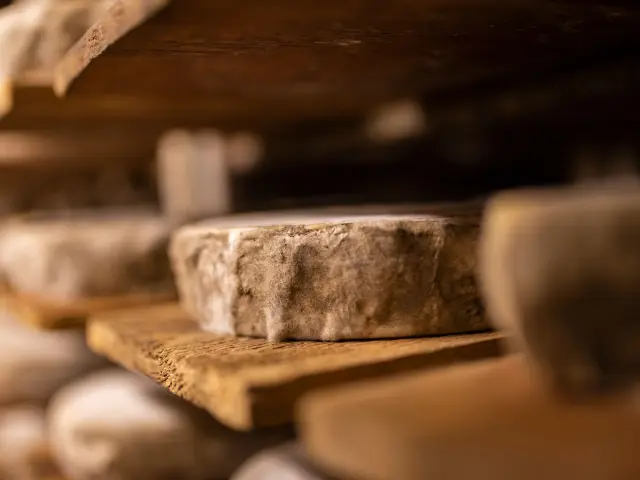
Available in discs measuring 18 to 20 cm in diameter, it is recognisable by its mottled grey rind and its supple texture, with lactic and subtly woody aromas, enhanced by vegetal and floral notes. After 5 to 8 weeks of maturing, it achieves a perfect balance between mildness and character, which is particularly appreciated in cooking.
A cheese with a family tradition, long a staple on everyday tables, it is now just as much at home on cheese platters as it is in convivial recipes, bringing food lovers together to share the same delight.
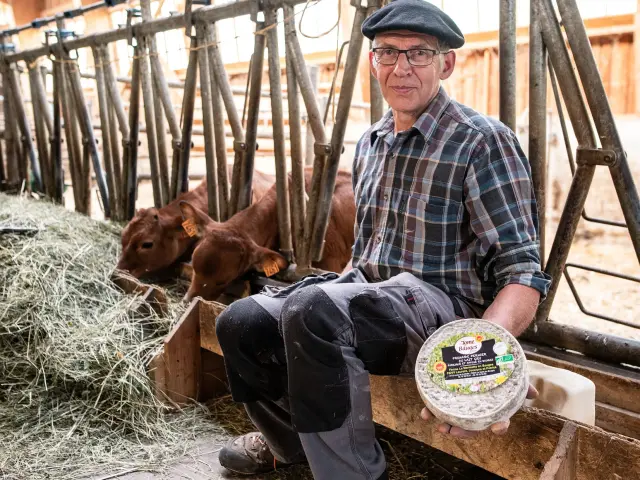
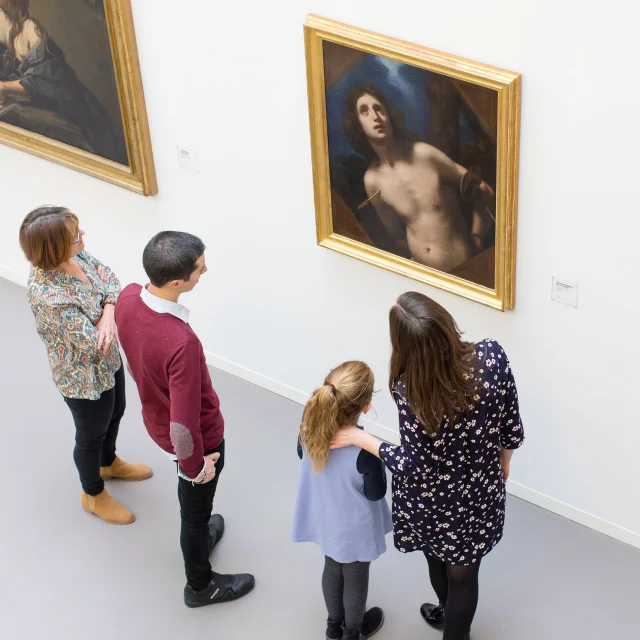
This interactive exhibition space invites visitors to explore the world of cheese and agriculture at their own pace. Illustrated murals with commentary, games, fun quizzes and a glass pyramid offering a view into the cheese-making workshop combine to create a lively experience that is accessible to all. The visit concludes with a tasting of raw-milk cheeses.
La Matouille isenjoyed as much for its flavour as for the ritual that accompanies it. In the Bauges region,potters craft the earthenware dishes designed to hold the melt-in-the-mouth Tome cheese. Designed for slow cooking and serving at the table, these sturdy pieces embody the spirit of sharing and are an integral part of the experience.
Preparing the clay, throwing, drying, glazing and then firing: a labour of patience transforms raw earth into a cosy vessel for mountain specialities.
Based in Les Déserts, Sofie creates functional tableware inspired by everyday life: cups, jugs and Matouille dishes come together to form a world where vibrant colours and clean lines interact.
The potter’s wheel guides the movement. From a ball of clay, the form emerges, revealed by water, the pressure of the hands andthe care taken with the material. The curves take shape, find their tension and come to life.
“Opening the kiln is always a magical moment: the pieces reveal their own little surprises.” From kneading the clay to removing the pieces from the kiln, this demanding process fuels a passion passed on through introductory workshops, extending the Bauges region’s distinctive art of the table through ceramics.
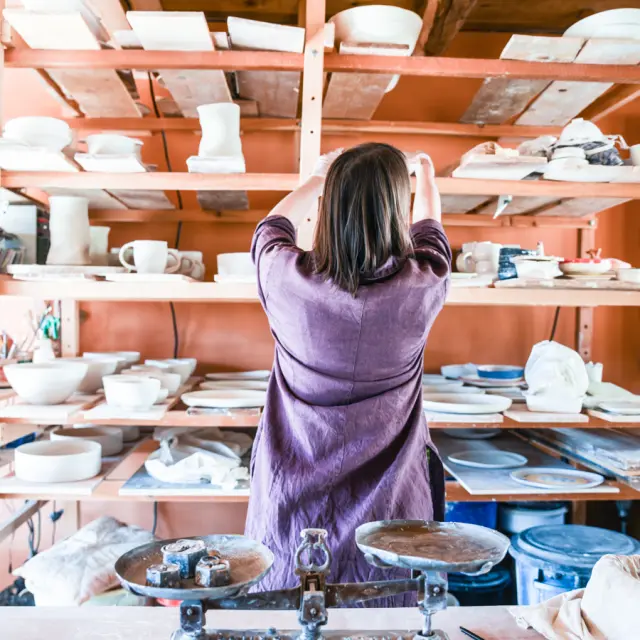
Sofie's workshop
|
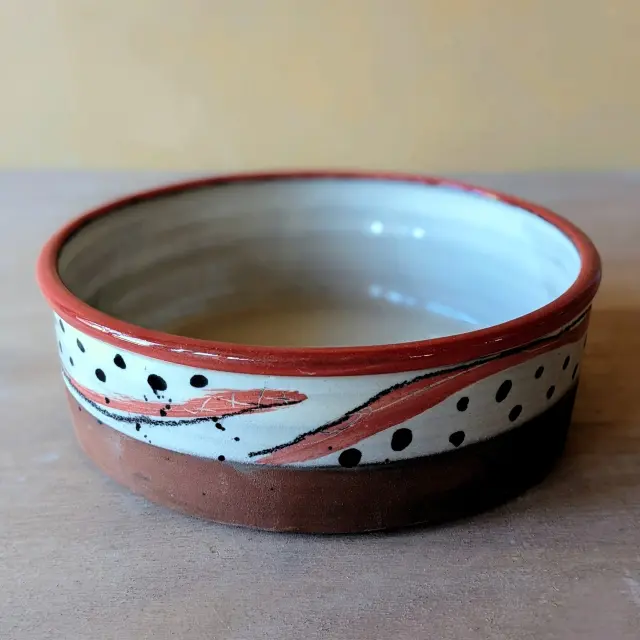
Matouille dish Atelier De Sofie
|
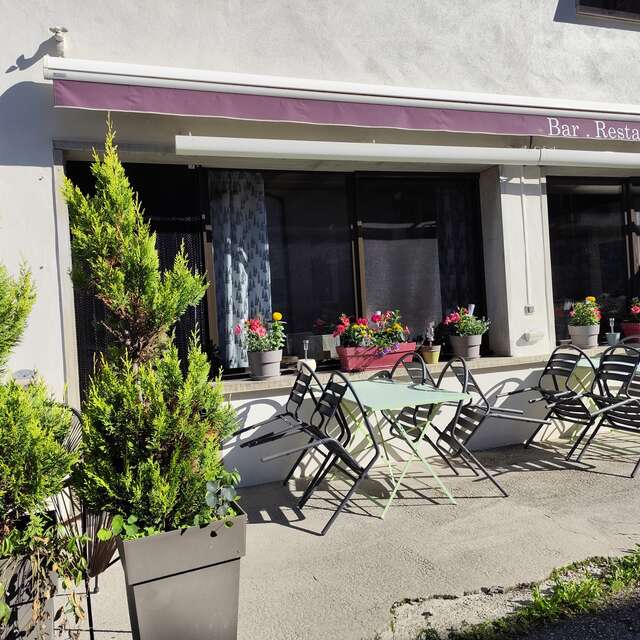
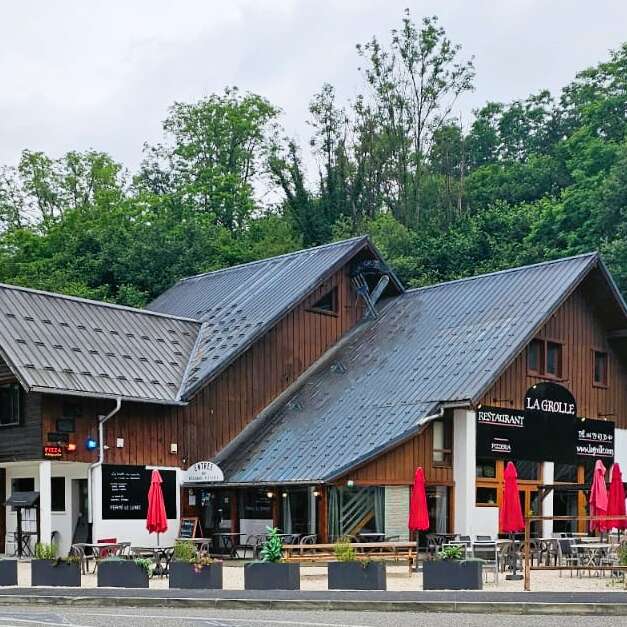
As well as the pleasure of preparing it, Matouille can also be enjoyed in restaurants across the mountain range. Having explored its history and the skills involved in making it, it’s time to tuck in. Several restaurants in Les Bauges serve this iconic dish in a warm and authentic atmosphere, true to the spirit of the mountains.