Shelter at
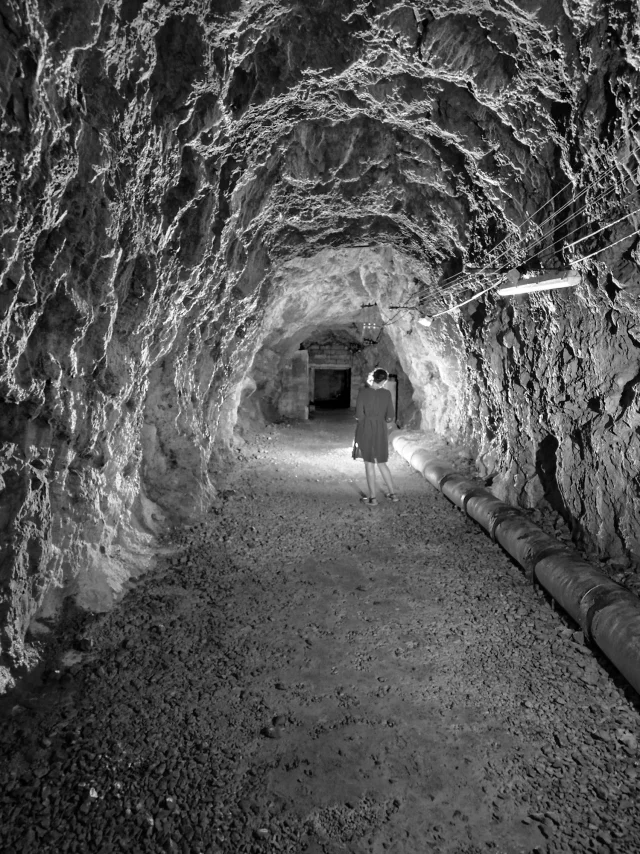
Clos Savoiroux Shelter,
a reminder of the bombing
on 26 May 1944
This marks the beginning of a tragic chapter in the history of Chambéry: that of Friday 26 May 1944. A day forever etched in the soul and character of the city, as well as in the destinies of those who lived there at the time…
On 26 May 1944, it was 6 o’clock in the morning. In southern Italy, 900 Allied bombers were preparing to take off. Each captain was handed a sealed envelope containing the mission’s target. In Nice, Grenoble, Lyon Vaise, Saint-Étienne… and Chambéry: everywhere, the railway stations were targeted. Gradually, as these cities awoke, the air-raid sirens began to wail. On that day, 720 bombs, each weighing 227 kg, rained down on Chambéry.
To recount that day when the city was bombed, Jacques Viout, vice-president of the Friends of Old Chambéry society, offers his insights. He takes listeners to an unusual yet essential part of Chambéry’s heritage: the Clos Savoiroux air-raid shelter.
Clos Savoiroux shed Chambery
|
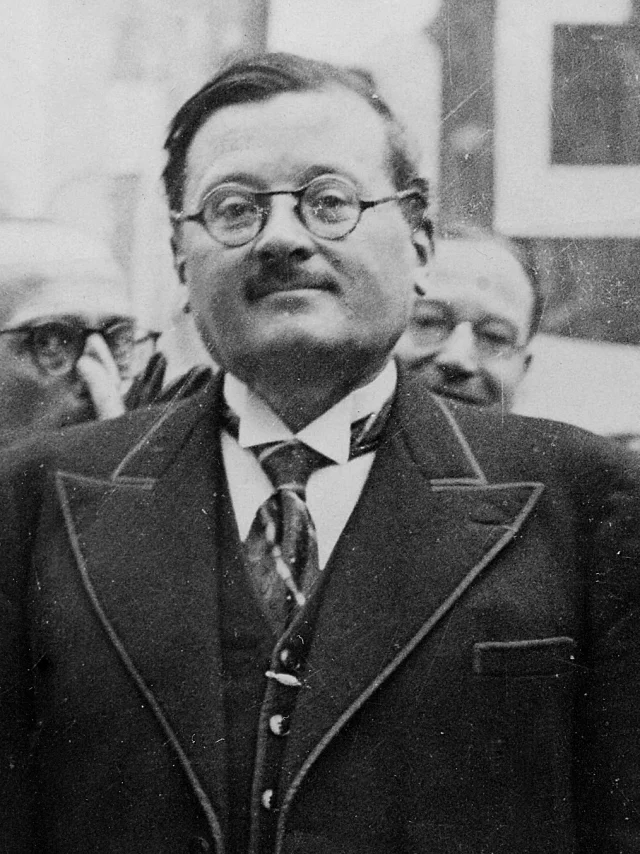
Albert Periol
Albert Perriol
Mayor of Chambéry
1935–1941
In 1938, the French government sent a secret memo to all mayors across France urging them to build air-raid shelters in anticipation of a possible conflict. At the time, no mayor responded to this call, except for one: Albert Perriol, then mayor of Chambéry.
Why did Albert Perriol want to embark on this vast programme to build shelters?
Chambéry is built on marshland and, in its old quarter, has no cellars that could serve as shelters for the population in the event of bombing. This shortcoming had to be remedied, and this meant tunnelling through the two hills surrounding the town: Bellevue Hill on one side and Lémenc Hill on the other.
The construction
of the shelters
As early as February 1939, work began on tunnelling through Bellevue Hill. In sandy ground, a 500-metre-long concrete tunnel, equipped with four entrances and capable of accommodating 3,000 people, was constructed. On 1 September 1939, the date marking the start of the Second World War, the Bellevue shelter was operational.
Two further shelters were subsequently built on Lémenc Hill. These two shelters were carved out of limestone and looked very different from the one at Bellevue.
The Clos Savoiroux shelter: it is 200 metres long and can accommodate up to 1,500 people.
The Nézin shelter: it has 150 metres of tunnels and can accommodate 1,000 people. At the time, the main entrance was located on what is now Avenue des Ducs de Savoie.
Later, the Maché shelter was started but never completed. This was situated beneath the esplanade of the Château des Ducs de Savoie. Had it been completed, it could have accommodated 2,200 people (today, the château’s car park).
In the town centre, trench shelters were constructed. These were shallow and offered only limited protection against the blast from bombs and the collapse of buildings. They stretched from Boulevard du Théâtre to Avenue du Comte Vert.
In addition to these shelters, there were various shelters set up in schools.
With these exceptional facilities, Chambéry ranked at the top among French towns and cities for protecting the population against aerial bombardment.
For a population of 30,000, the shelters could accommodate around 12,000 people.
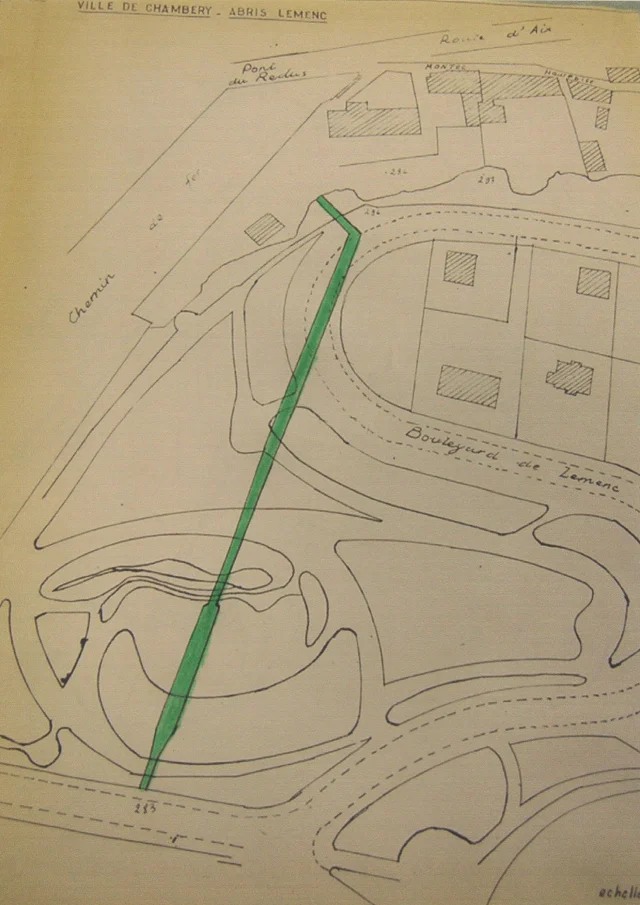
Savoiroux shelter Colorisc╠o
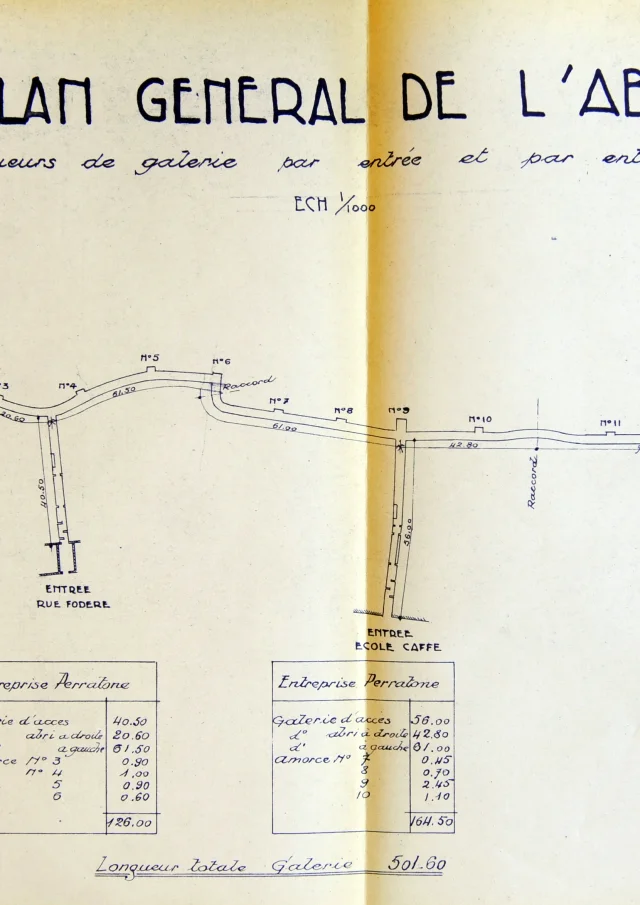
Dsc3190bis
26 May 1944
The day Chambéry was bombed
Preparations for the Normandy landings prompted the Allies to neutralise railway hubs. The aim was to disrupt the movements of the German army, to prevent it from reinforcing its troops on the Normandy coast, where Operation Overlord was being prepared.
On 26 May 1944, several towns in south-eastern France were bombed: Nice, Grenoble, Lyon, Saint-Étienne… Chambéry was on this list. The target specified in the flight plan was its railway facilities, particularly the railway roundhouse.
First wave of the bombardment
10.44 – 20 seconds
The first wave is flying at an altitude of 6,096 metres.
A green flare, fired by the lead aircraft, triggers the order to drop the bombs.
Contrary to popular belief, the first bombing strike hit the station and its facilities head-on.
Three bombs struck the roundhouse,
48 locomotives are put out of action,
all the facilities around the roundhouse are destroyed,
the signal box at Faubourg Reclus is blown to smithereens,
the interior of the passenger terminal was blown apart.
Yes, Chambéry station was indeed severely damaged on 26 May 1944.
Second wave of bombing
10.44 – 50 seconds
The operator in the lead aircraft is unable to locate the target, which is obscured by the smoke from the first wave of bombing. The order to drop the bombs is given 30 seconds too early.
Unfortunately, this second drop struck the heart of the city: an area bounded by Rue Doppet, Boulevard du Musée, Boulevard de la Colonne (and its shelter trenches), one side of Rue de Boigne, Place de Genève and, further on, Rue Juiverie. The streets within this perimeter were affected to varying degrees.
In total, the bombing of Chambéry lasted 90 seconds.
72 aircraft each dropped 10 bombs weighing 227 kg.
There were no time-delay bombs or incendiary bombs.
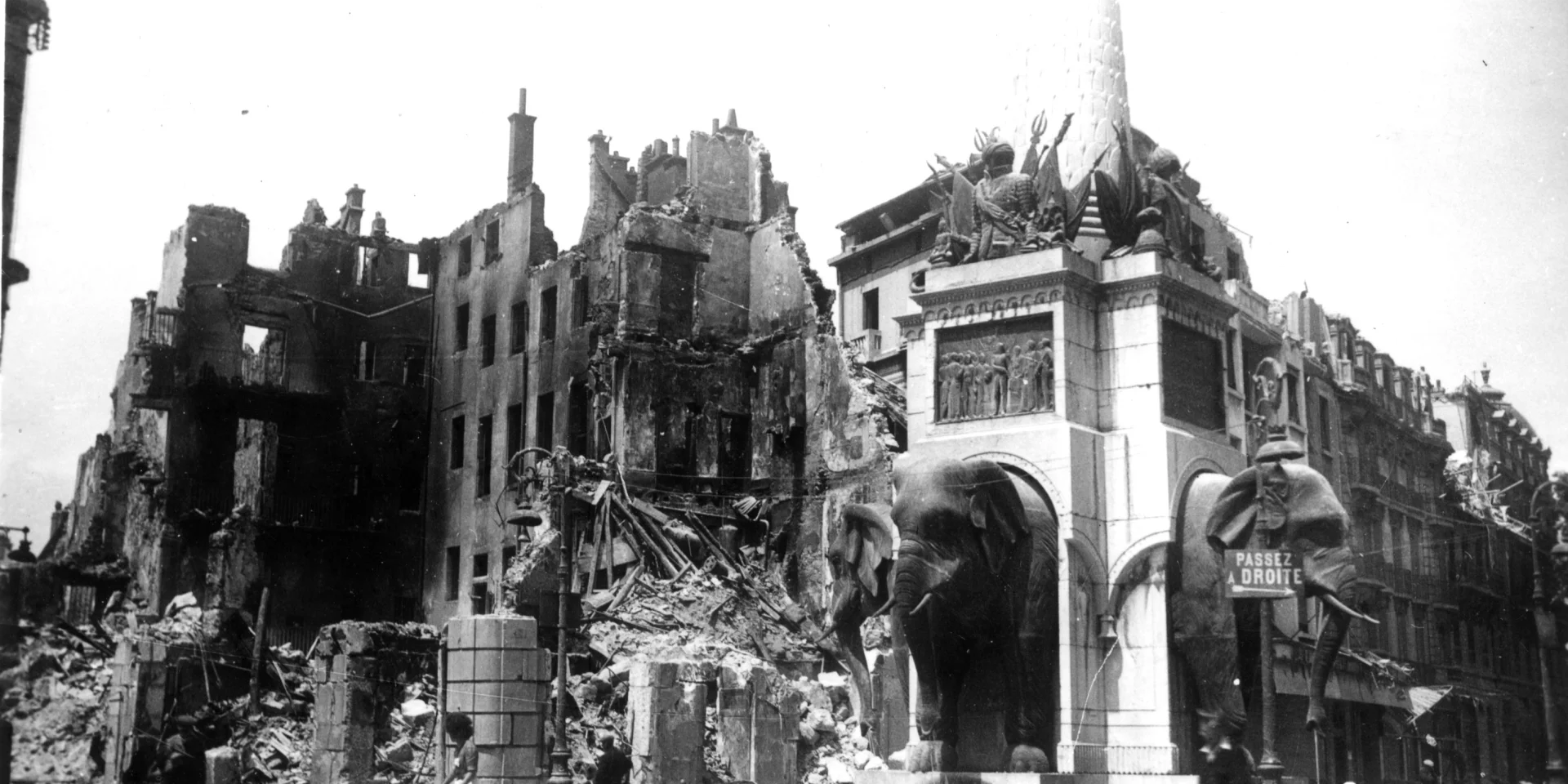
Elephant Square
A few days after the bombing.
View from the Paris building.
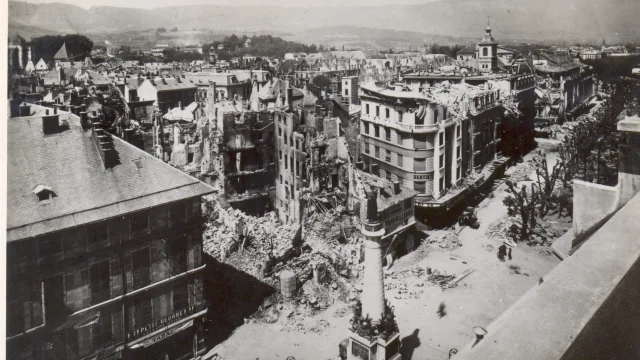
Boulevard du Théatre, boulevard de la Colonne and colonne des éléphants - Exhibition on the bombing of Chambéry, photo scanned on 5 March 2009
Avenue du Général de Gaulle
On the left-hand side of the photograph: the Château de Costa de Beauregard, destroyed during the bombing. In the centre: the building which housed the conservatoire, the crèche and the public showers. On the day of the bombing, around forty children were in the building’s cellars. Buried under the rubble of the Château de Costa de Beauregard, they were miraculously rescued.
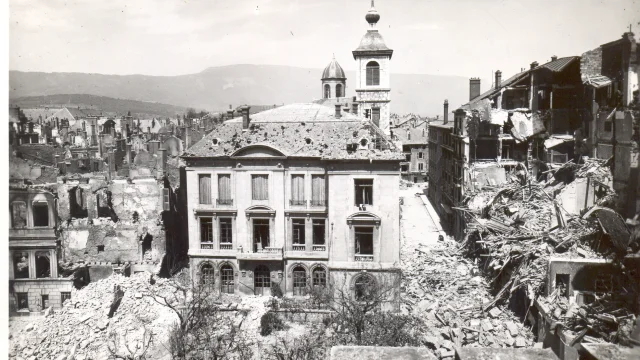
Bombardment of Chambéry (26 May 1944) - Rue Notre Dame and the Conservatoire, photo scanned from the Georges Henry collection, photographer
Corner of Rue Juiverie and Place Saint-Léger
Taken from Rue du Sénat. This photograph is the only record of the rescue workers beneath the rubble.
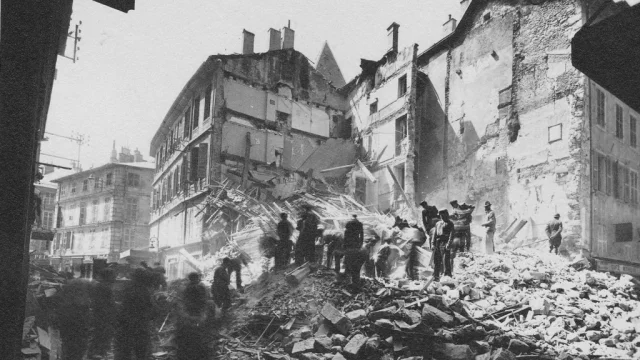
Bombing 26 May 1944 Chambery 3
The junction of Rue Favre and Rue Saint-Antoine
As this photograph shows, Rue Saint-Antoine was curved. Left-hand side: Rue Favre. The Courthouse can be made out in the distance. Right-hand side: Rue Saint-Antoine. These streets were not destroyed by the impact of the bombs but by the fires that broke out following the bombing. This part of Chambéry underwent the most extensive redevelopment during the Reconstruction. Today, these two streets run at right angles to one another (Rue Saint-Antoine now lies in line with Rue de Maistre).
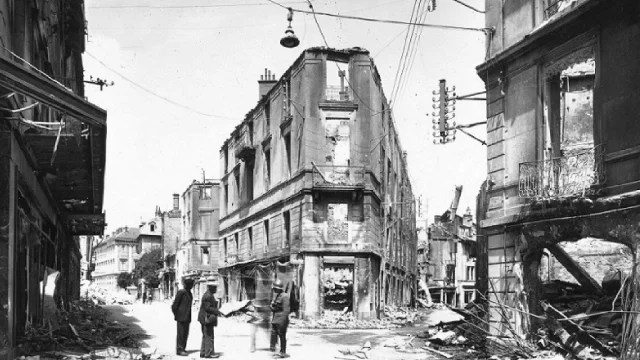
Bombing 26 May 1944 Chambery 2
Chambéry'CimesYou might also like to listen to...
Victims, rescue operations and funerals
Bombing 26 May 1944 Chambery 12
200 people were killed.
There were 300 injured and 3,000 people left homeless.
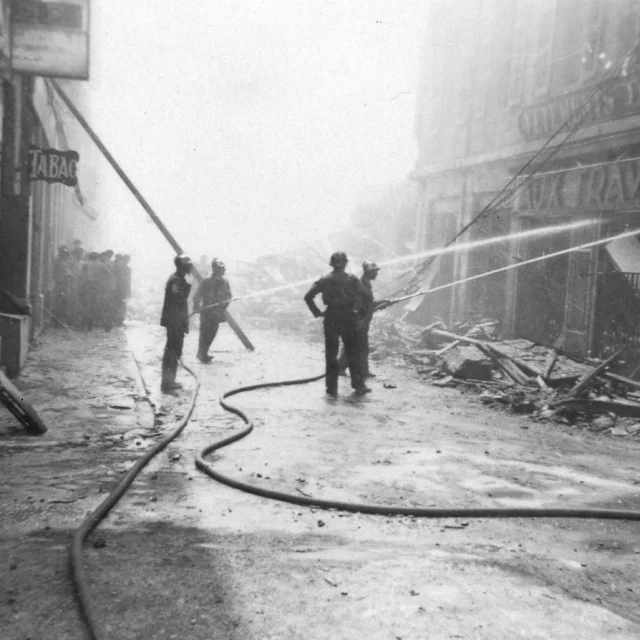
As well as the destruction of buildings, it was above all the fire that devastated the heart of the city.
The bombs set the hit buildings alight and the fire spread from building to building, causing the great fire of Chambéry.
For three days, the centre of Chambéry was engulfed in a vast inferno that proved impossible to contain. The last remaining fires were not completely extinguished until 25 June 1944.
The funeral
An official ceremony took place on Monday 29 May 1944, in Place de la Cathédrale.
Seventy-two coffins will be gathered together for a solemn service.
For the people of Chambéry, the bombing of 26 May 1944 will remain a chapter written in letters of fire and blood.
Reports from the police and the gendarmerie recount numerous acts of courage and selflessness, even from those affected by the disaster themselves, towards those who were even worse off than they were. This chapter in history is synonymous with an extraordinary outpouring of solidarity.
Everyone came to lend a hand. And so, Chambéry began to rise from the ashes…
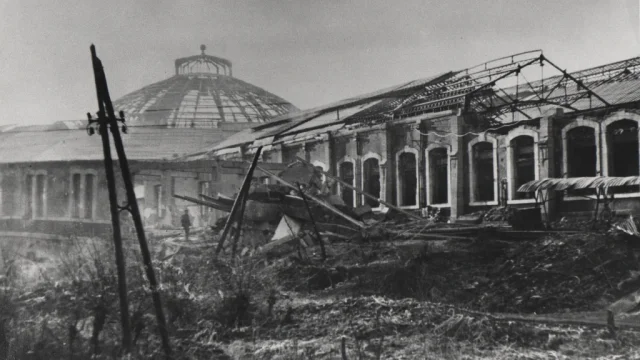
Rotunda and ancillary buildings
The rotunda was hit by three bombs. Its iron framework remained intact, but the windows were, of course, shattered.
Bombing 26 May 1944 Chambery 13
Corner of Rue Favre and Rue Saint-Antoine
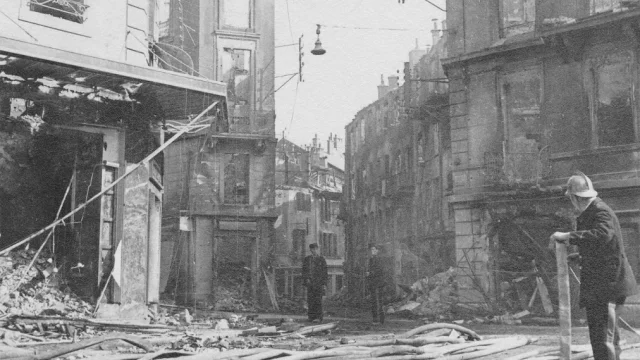
40b Rue St Antoine Sur Place Hi╠ctel De Ville
Place Métropole
Church service in front of the cathedral
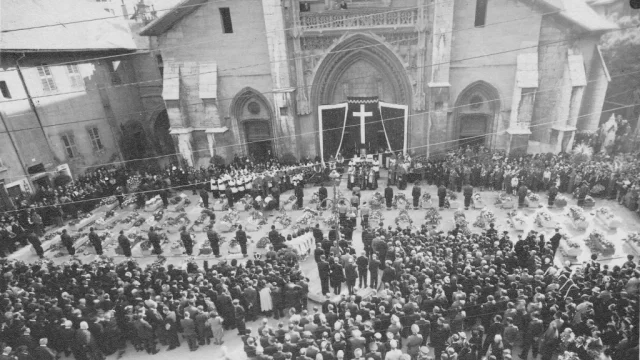
38b Sc╠opultures Cathc╠odrale
Place des Éléphants
From the top of his column, General de Boigne awaits the reconstruction of the top end of Rue de Boigne.
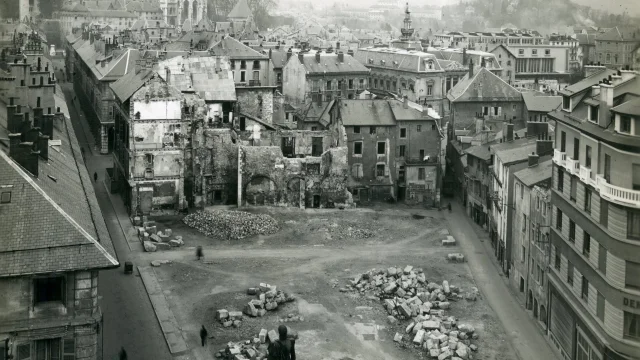
Img013
Chambéry’Cimes
is a podcast Chambéry Montagnes
Sound recording, editing, mixing and production: Kamel Bouziane, Art AbordSavoie.
Music by Skal.
In this episode: a tour of Chambéry with Jacques Viout, vice-president of the Friends of Old Chambéry society, and Julie Chavaribeyre from the tourist office
All archive photographs were shared by the ‘Amis du Vieux Chambéry’ society. Thank you for this collection of images…
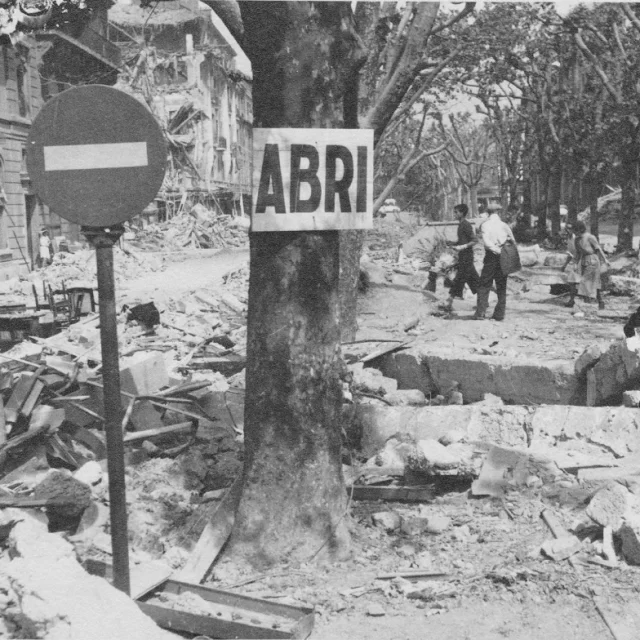
Bombing 26 May 1944 Chambery 7