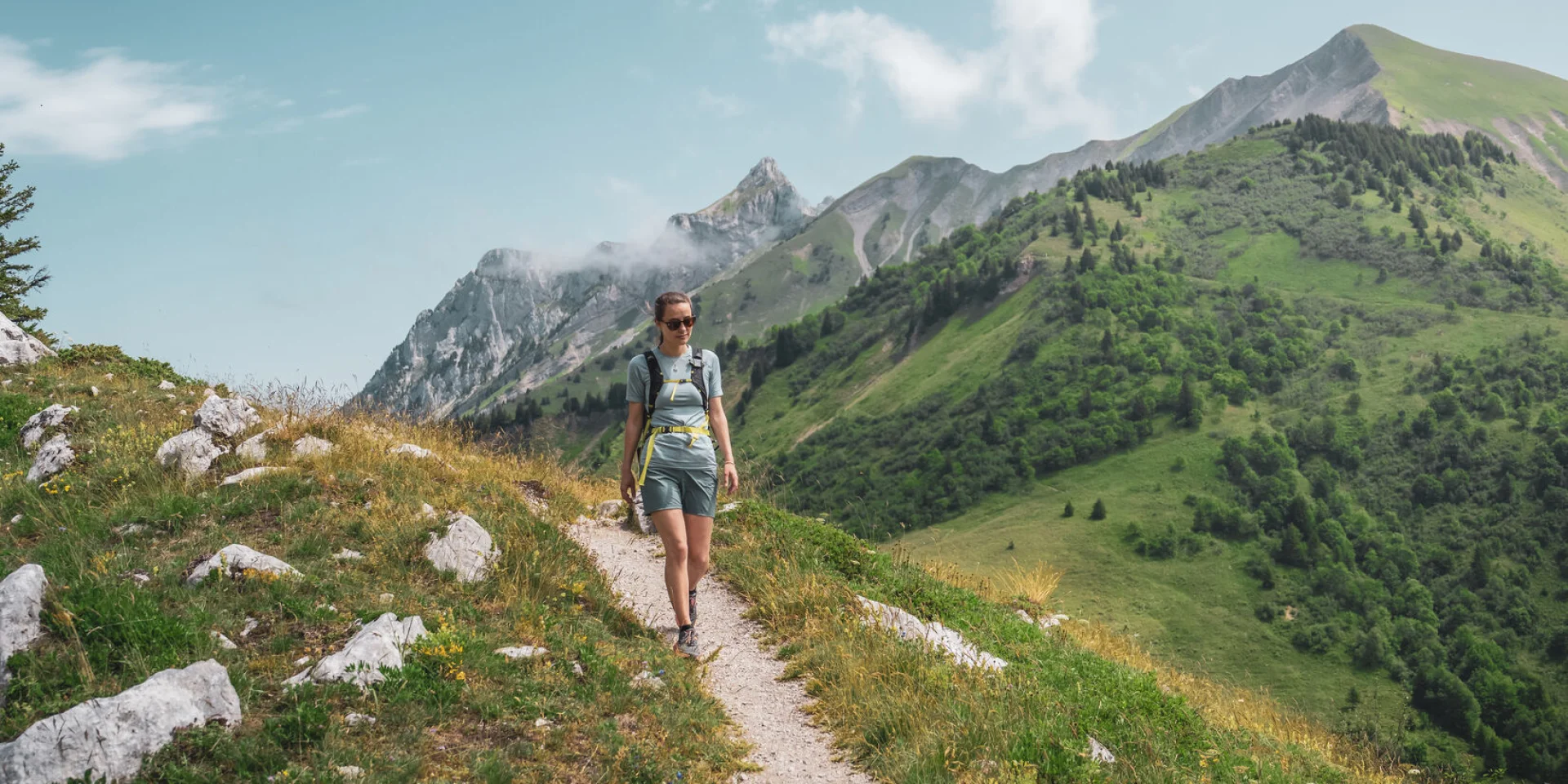
Hiking Orgeval
©

Hiking Orgeval

|

Alpigraphie / Kröll Matthias - Grand Chambéry Alpes Tourisme

Hiking tips Chambéry Montagnes

Explore, respect
and savour the mountains

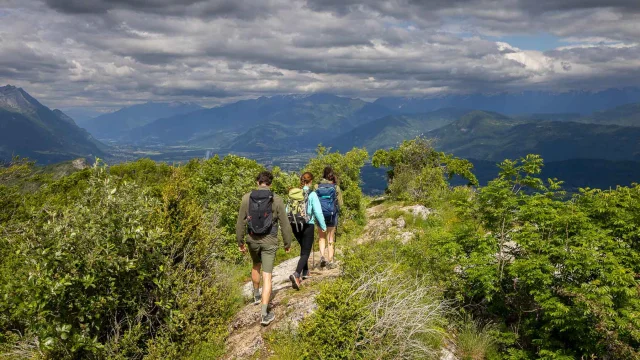
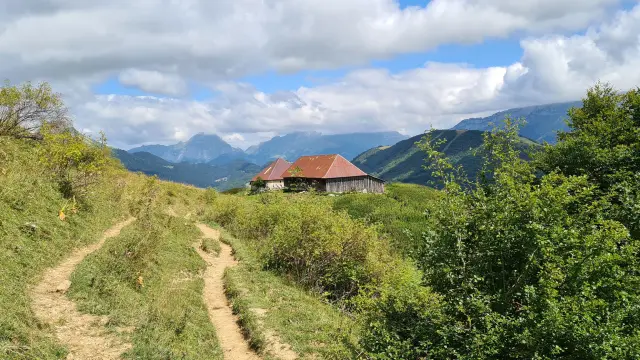
In the mountains, every step is an encounter. Behind an alpine pasture, a meadow or a forest, there is often a farmer, a forester or a livestock breeder… These landscapes are also places where people live and work.

And like any good guest, we take care of the home that welcomes us.

The panorama isn’t just a postcard: it’s a shared space where nature and the local people have coexisted for generations. By respecting it, we preserve the magic that fills us with wonder today… and will continue to captivate us tomorrow.

Chambéry Montagnes Two regional nature parks

The trails wind through two exceptional natural settings: the Chartreuse Regional Nature Park and the Massif des Bauges Regional Nature Park.

In 2025, these two gems will celebrate 30 years of commitment to striking a harmonious balance between conservation and everyday life.

Herds, forestry operations, farm machinery… all these scenes are part of the rhythm of mountain life. These landscapes change with the seasons and the activities taking place. From one hike to the next, the area reveals new colours, new scents and new emotions.
Our top tips for a peaceful and sustainable hike

1Stay on the paths
  • Marked trails help to protect vegetation and areas undergoing regeneration. Where forestry work is taking place, some trails may be temporarily closed: please follow the signs.

2Take all your rubbish home with you
  • Even a banana skin takes weeks to disappear. A small bag designed for this purpose ensures that not a trace of it is left behind.

3Conserving water
  • Springs, rivers and drinking troughs are vital for both farm animals and wildlife. Keeping them clean means preserving life.

4Keeping your dog on a lead
  • A dog running free can frighten animals and disturb birds’ nests. With a lead, the walk remains enjoyable for everyone.

5Give herds a wide berth
  • Cutting through the middle can be dangerous, especially if there’s a bull or a guard dog around. Taking the long way round is always safer… and sometimes more scenic.

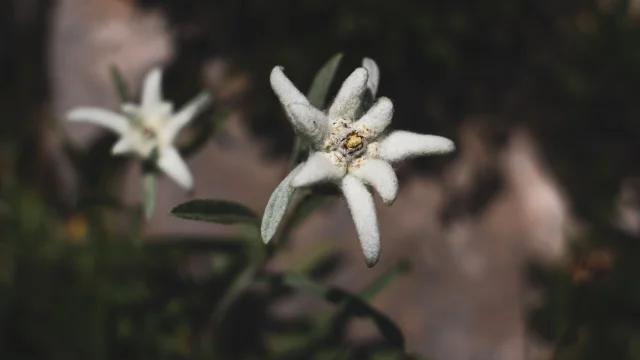
6Enjoying the flora without picking it
  • Taking a photograph is like picking something with your eyes: capturing a memory without taking anything away from the landscape.

7Please use the designated car parks
  • A vehicle parked correctly leaves access routes clear for tractors, hay lorries… and the emergency services.

8Respecting the animals’ natural diet
  • They thrive when they feed on what nature provides. Observing them without interfering is the best way to safeguard their wellbeing.

9Preserving the footpathsFind out more
  • Looking after them takes time, skill and patience. Protecting them means valuing that work.

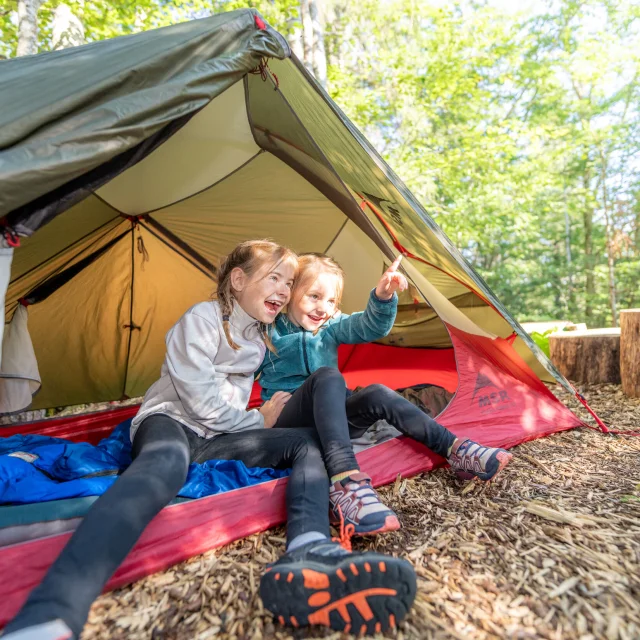
10Set up your camp with the landowner’s permission
  • Sleeping under the stars is magical… and even more beautiful when there’s no trace left behind.

11Ticks: stay vigilant
  • Wear clothing that covers your skin and stay on the paths to minimise the risks. Remember to check your body at the end of your outing.

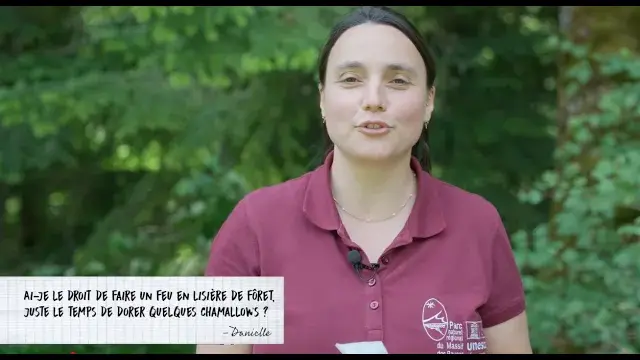
12Fire: be extremely vigilant
  • Fires are strictly regulated in the countryside. Even a small fire can have serious consequences. Avoid lighting any fires and follow local guidelines.

Ai-je le droit d'allumer un feu en lisière de forêt le temps de dorer quelques chamallows ?

Observe without disturbing… and go a step further

On the trails, wildlife is often invisible… but never far away. A footprint in the earth, a feather, a fleeting movement amongst the trees: the mountains tell a thousand stories to those who know how to read them.

With a guide, learn to recognise the signs, understand their behaviour and take a closer look at this discreet world.

A night under the stars zero footprint

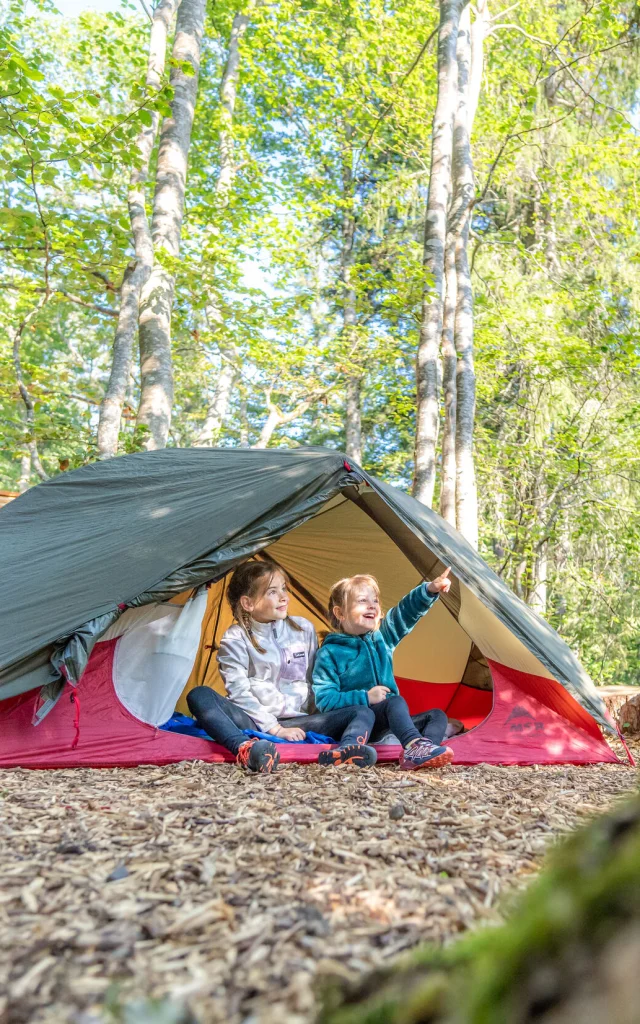
The camp is meant to be temporary, discreet and inconspicuous: the tent is pitched at sunset and taken down at daybreak.

Some areas prohibit it (nature reserves, etc.), whilst others allow it subject to certain conditions: it’s best to check before you set off.

The fewer traces you leave behind, the more nature retains its authenticity for future visitors. The idea is simple: a fleeting visit, an untouched site.

As for fires, the rule is clear: no open flames within 200 metres of a forest without authorisation.

During dry periods, it is strictly prohibited. And if a fire is lit, it must be made safe, supervised and fuelled solely by dead wood.

A small flame can warm up a meal… but it can also destroy a landscape. A camping stove is safer, quicker and has no impact on the environment.

The right attitudes Hiking dogs, herding dogs

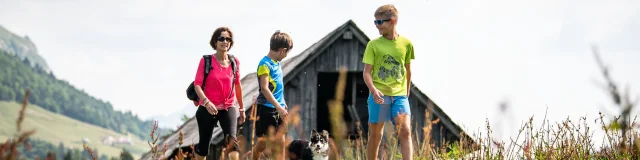
Hiking with your dog

In some protected areas, a lead is not enough: dogs are banned there to protect wildlife (Hauts de Chartreuse, Bauges National Reserve).

In the mountain pastures, during the summer grazing season (June to October), only shepherds’ working dogs are permitted.

A dog, even a playful one, can disturb the herds and trigger a reaction from a guard dog.

Going out with your four-legged friend is a pleasure, but also a responsibility. Adapting your route to local rules will save you a lot of trouble.

When you come across a Patou: stay calm!

If you come across a guard dog whilst out walking, stay calm and take the right steps:
Greet the dog in a loud voice (“Hello there, dog!”) to make your presence known. Give the herd a wide berth without putting yourself in danger. If the dog approaches, stop or move forward slowly, without staring into its eyes, and speak to it in a calm voice.
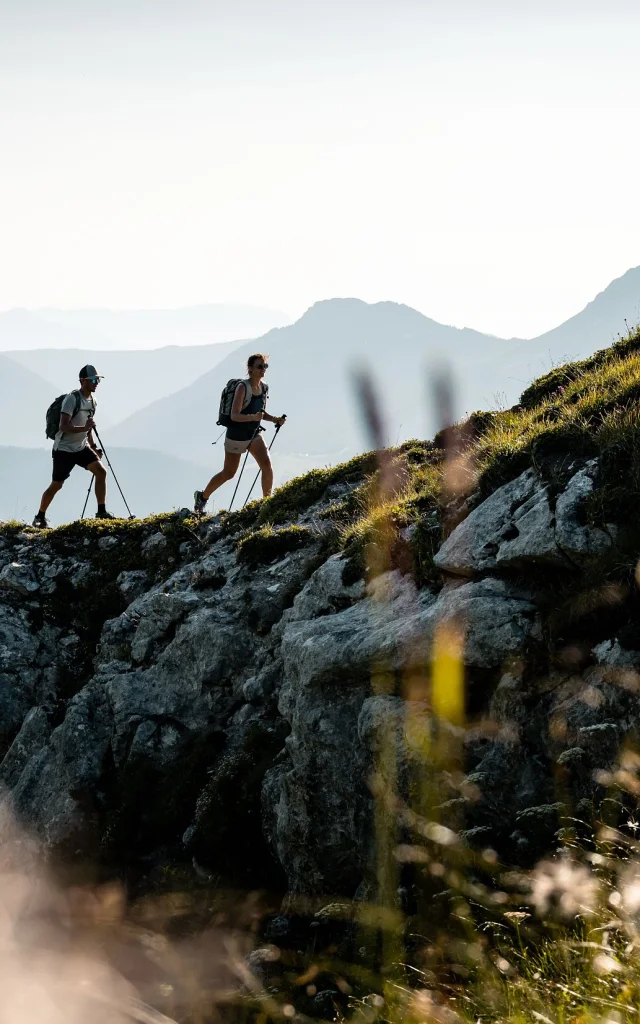
If you’re using walking poles, hold them in one hand, tips pointing downwards, without waving them about.
If you’re cycling, dismount as soon as possible and continue on foot, pushing your bike: it can act as a reassuring barrier between you and the dog.
Once reassured, the dog will naturally return to its pack. It is not looking for a fight: it is defending its ‘family’. By respecting its role, the encounter will go more smoothly.

The elixir of the happy walker

1A touch of curiosity, a pinch of caution, a large bowlful of respect…
2Mix it all together to create the perfect recipe for a wonderful experience in the mountains.
3And don’t forget: a smile shared along the way is also part of the adventure.
During the hunting season

From September to January, check the local calendar for opening days in Savoie.

Wear high-visibility clothing or a fluorescent vest, and use the Landshare app to find out where the hunts are taking place.

A little extra care makes your outings safer and allows you to enjoy the trails with complete peace of mind.

Did you enjoy it?